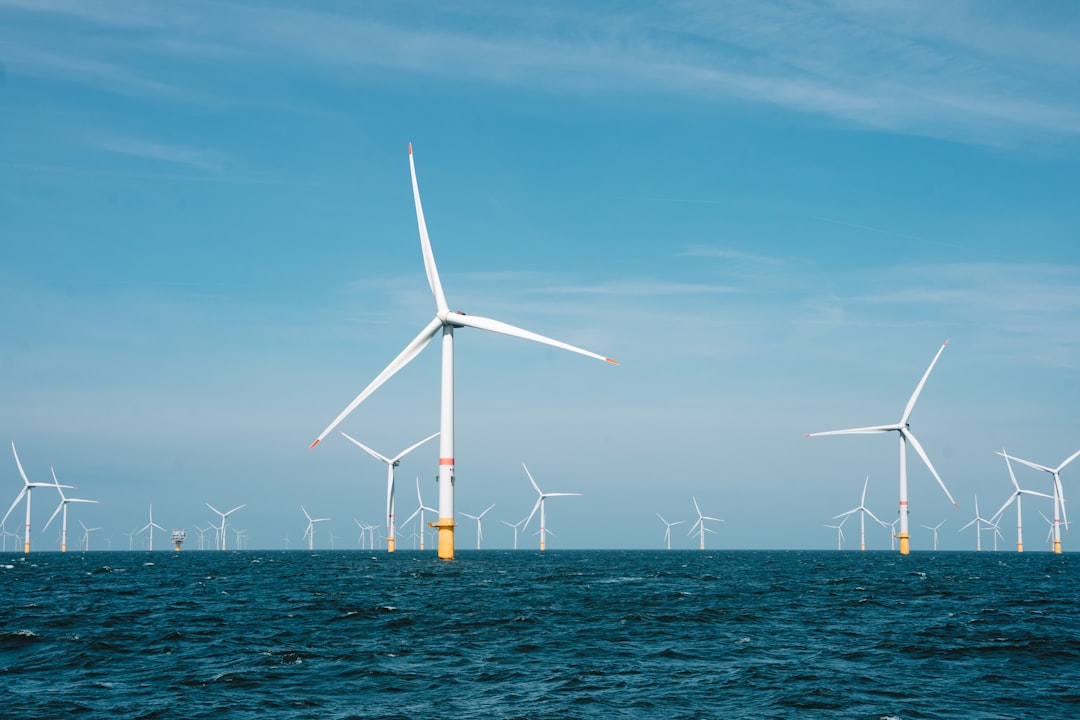
Britain’s offshore wind farms set a new generation record in the first quarter of this year, producing a staggering 12.9 terawatt-hours of electricity. That is enough to power more than 4 million homes. The data, released by the energy consultancy WindEurope, confirms a trend that has been building for years. The North Sea has become the world’s powerhouse for renewable energy.
Q1 2024 saw wind speeds that were 8% above average. But this was not just about the weather. The grid has grown smarter. New turbines are taller and more efficient. And the government’s Contracts for Difference scheme has provided stable prices that encouraged investment.
“We are seeing the fruits of a decade of policy,” said Dr. Sarah Jones, an energy analyst at Imperial College London. “The UK has the largest installed offshore wind capacity in the world. And it is operating at record levels.”
But beneath the headlines of green success, there are tensions. The fishing industry says the rapid expansion of wind farms is squeezing their traditional grounds. “We are being pushed out,” said John Mear, a skipper from Grimsby. “Hundreds of turbines now block the best fishing spots. The government says they will help us adapt. But so far we have seen little.”
Environmental groups also warn that the seabed is being disturbed by cables and foundations. “We need more studies on the impact of low-frequency noise on marine mammals,” said Helen Raine of the Marine Conservation Society.
And there is the question of costs. The government has heavily subsidised offshore wind. Consumer energy bills have risen partly to pay for it. While the industry argues that prices will fall as technology improves, critics point to the billions already spent.
“The wind blows when it blows, not when we need it,” said Robert Tombs, a former energy regulator. “We are building a system that relies on huge battery storage or backup gas plants. That costs money. And the public is paying.”
Still, the records keep falling. In January alone, offshore wind supplied 14% of the UK’s electricity needs. Network operator National Grid said the system handled the influx smoothly, thanks to improved interconnectors with Europe and new subsea cables.
“We can export surplus power to Norway and Denmark when demand is low,” said a National Grid spokesperson. “And import when the wind drops. That flexibility is key.”
The government has set a target of 50 gigawatts of offshore wind by 2030, up from 14 now. To meet that, planning rules are being relaxed and new seabed leases auctioned. But developers want more certainty on future subsidy levels.
Nordzee Offshore, a Belgian-Dutch joint venture, announced plans to build a 2 GW farm off the coast of Norfolk. “The North Sea is the Saudi Arabia of wind,” said CEO Lars van der Heijden. “But we need the grid to keep expanding. There is no point building turbines if the power cannot get to homes.”
National Grid is investing £20 billion in new onshore connections. But some local communities are resisting the pylons and substations needed to bring power south.
“We are being turned into an energy colony for London,” said Susan Bridges, a campaigner in Lincolnshire. “These are industrial installations in the countryside. They should bury the cables. But that costs more, so they won’t.”
The Q1 record is a milestone. But it also highlights the challenges ahead. The wind is free, but the infrastructure to capture it and bring it to market is not. And the balance of who benefits, and who pays, will define the next phase of Britain’s energy transition.