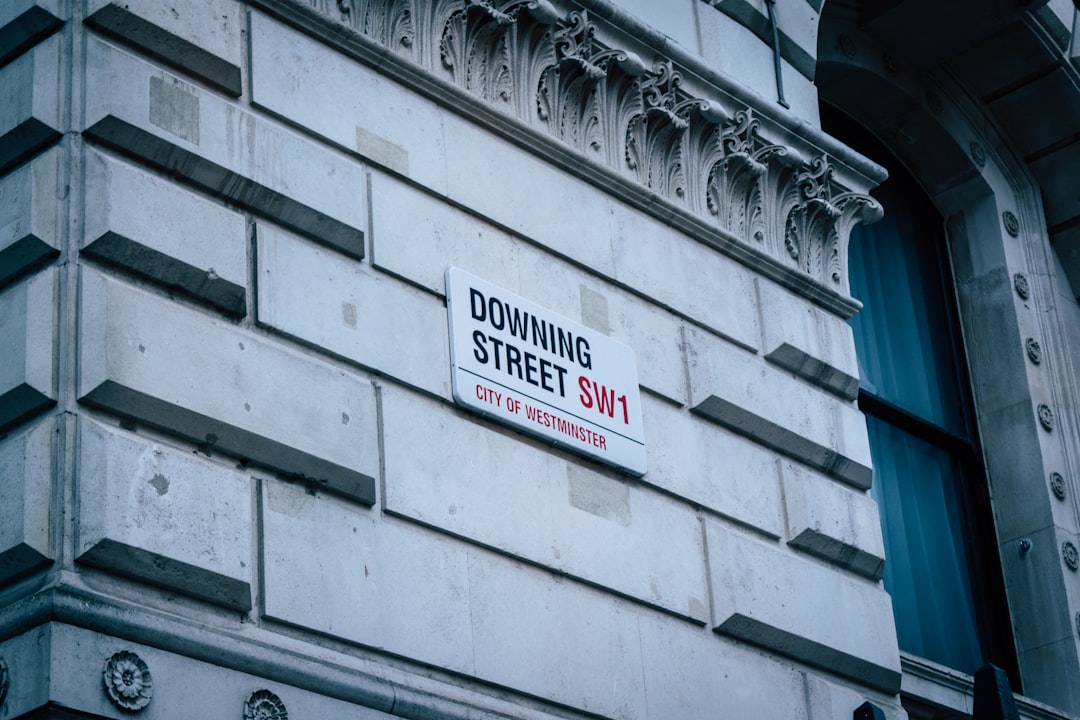
As the clock strikes 10 a.m. at Downing Street, a tense atmosphere envelops the Cabinet Room. Today’s meeting is not merely routine; it is a crucible that will test the Prime Minister’s authority and set the course for his premiership. The agenda is dominated by a single, explosive issue: the proposed fiscal overhaul that has divided the party and rattled the markets.
The Chancellor, under pressure from backbenchers to scale back austerity measures, is expected to present a compromise plan aimed at stimulating growth while reducing the deficit. However, whispers from within the Cabinet suggest that a faction of senior ministers, led by the Home Secretary, is prepared to challenge the Prime Minister directly, demanding deeper spending cuts and a harder line on immigration.
“This is a defining moment,” says Dr. Eleanor Hartley, Professor of Political Science at the London School of Economics. “The Prime Minister’s ability to command loyalty and forge consensus will determine whether he emerges stronger or fatally weakened. If he loses control of the Cabinet, his authority will be irreparably damaged.”
The stakes are amplified by the economic context. Britain’s GDP growth has stagnated at 0.3% over the past quarter, while inflation remains stubbornly above the Bank of England’s target. The bond market, already jittery, is watching closely. Analysts warn that any sign of political instability could trigger a sell-off in gilts, sending borrowing costs soaring.
“Investors crave predictability,” notes James Sutherland, Chief Market Strategist at City Asset Management. “A public split in the Cabinet would be interpreted as a signal that the government lacks the cohesion to implement a credible fiscal strategy. We could see the pound weaken and yields spike within hours.”
The Prime Minister, for his part, has prepared a robust defense of his centrist agenda. Aides leak that he will remind colleagues of the party’s overwhelming victory at the last election, which he argues was a mandate for pragmatism, not ideological purity. He is expected to appeal to loyalty and unity, warning that internal strife will only benefit the opposition.
But the outcome remains uncertain. The Home Secretary, a seasoned campaigner with a strong base among the party’s grassroots, has been mobilizing support for weeks. With the help of a former party chairman, she has reportedly secured pledges from at least six Cabinet members to back her demands. If she forces a vote, the Prime Minister’s majority could be in jeopardy.
“This is a classic battle between the pragmatists and the purists,” says Professor Hartley. “The key is whether the Prime Minister can peel off enough moderates from the challenger’s camp. A lot will hinge on the personal relationships and debts of loyalty that have been built over years.”
The meeting is expected to last into the afternoon, with no decision likely until the final hour. The press office has briefed that the Prime Minister intends to address the nation immediately afterward, signalling that he anticipates either a clear victory or a decisive defeat.
If he prevails, he will have strengthened his grip on the party and may use the momentum to push through a series of reforms designed to revitalize the economy. Failure, however, could hasten calls for a leadership contest and plunge the government into crisis.
In the market, traders are already hedging their bets. The implied volatility on sterling options has risen to its highest level in three months, reflecting deep uncertainty. “The market is pricing in a range of outcomes, from a status quo to a snap election,” says Sutherland. “The only certainty is that this Cabinet meeting will have profound implications for Britain’s economic direction.”
As the doors close on Number 10, the world waits. The decisions made today will echo not only in the corridors of power but in the lives of millions of Britons. For the Prime Minister, this is the showdown that could define his legacy.