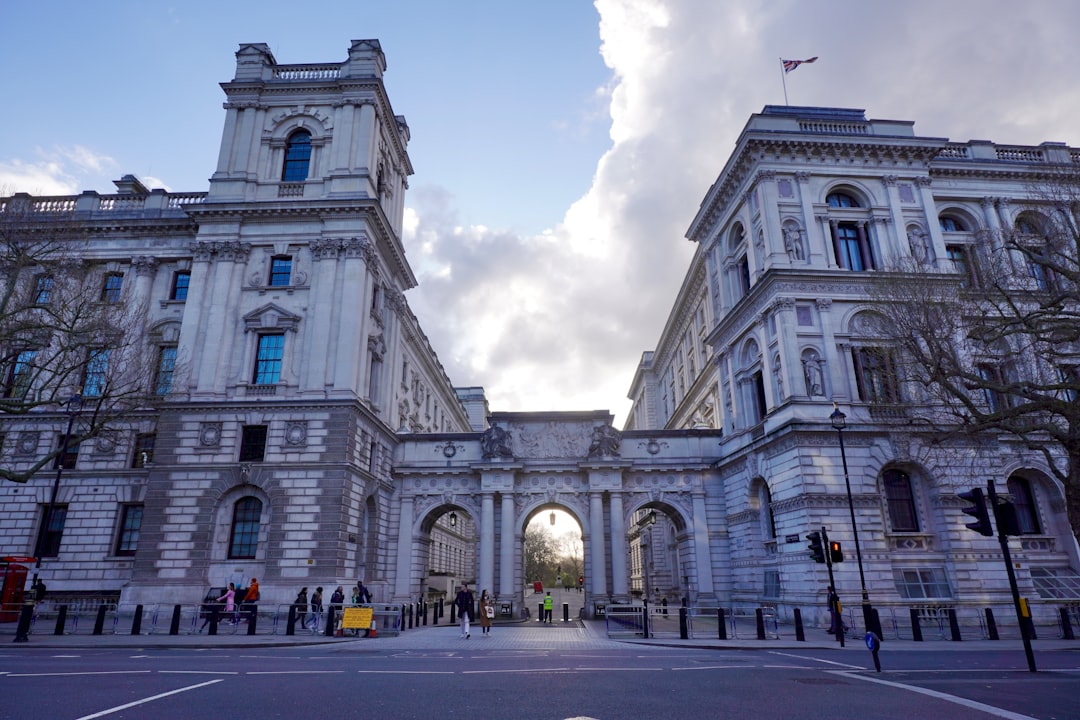
Whitehall is bracing for its most significant overhaul in decades. A confidential Cabinet Office document, obtained by National Press, outlines a new Civil Service Mandate for 2026, designed to reshape the machinery of government. The mandate, expected to be announced by the Chancellor of the Duchy of Lancaster next month, aims to address long-standing criticisms of bureaucracy, sluggish digital transformation, and a lack of accountability. But critics warn it risks politicizing the civil service and centralizing power at the expense of departmental autonomy.
The document, titled "Mandate for Change: A Civil Service Fit for 2026," sets out five core objectives. First, a commitment to a 15% reduction in senior civil service posts, saving an estimated £1.2 billion annually. Second, mandatory digital skills training for all staff, with a target of 90% certification in data analytics or cybersecurity by 2027. Third, a new performance framework that links bonuses to delivery of ministerial priorities, including specific outcome metrics. Fourth, a rotating secondment program requiring every senior civil servant to spend at least six months in a private sector or local government role. Finally, a strengthened permanent secretary accountability mechanism, with annual public hearings before select committees.
The timing is politically charged. A year before a likely general election, the reform positions the current administration as a modernizing force, taking on the "bloated state." A senior Number 10 aide described the mandate as "a once-in-a-generation shift toward a leaner, more agile state." Yet internal Cabinet Office assessments suggest that previous reform efforts, including the 2018 Civil Service Vision and the 2021 Declaration on Government Reform, delivered only modest gains. The new mandate seeks to avoid that fate with statutory underpinning, giving the Cabinet Secretary powers to enforce compliance.
Reaction from Whitehall insiders is mixed. One permanent secretary, speaking on condition of anonymity, called the proposals "aspirational but utopian," pointing to past failures of top-down targets. Another former Cabinet Office minister questioned whether the reforms could survive a change in government. "This mandate is a totem for this administration," they said. "But Labour has its own plans for Whitehall, which are likely more radical."
Labour’s shadow Cabinet Office minister has already criticized the mandate for being "light on detail and heavy on spin." A leaked internal Labour briefing proposes a rival reform agenda, including a constitutional commitment to civil service political neutrality and a code of conduct for ministerial aides. The union representing senior civil servants, the FDA, has expressed alarm over the bonus linkage, arguing it could lead to a culture of fear and favor. "Tying pay to ministerial whims undermines impartiality," said an FDA spokesperson.
International observers note parallels. The Australian government’s 2023 APS Reform Act shares similar goals of agility and accountability, but its implementation has been rocky, with staff morale plunging. Canadian reforms in 2019 focused on diversity yet saw uneven adoption. The UK’s mandate borrows elements from both but adds a uniquely British political dimension: the drive to centralize data and strategy in the Cabinet Office. Critics argue this could create a "super-ministry" that bypasses departmental expertise.
A key concern is digital transformation. The mandate's requirement for data skills is ambitious but underfunded. Current training budgets are frozen, and the Government Digital Service has struggled to retain talent. Meanwhile, the secondment plan raises logistical questions. Will private sector stints truly foster innovation or become a revolving door for consultants? Furthermore, the 15% headcount reduction may hit middle management harder than senior posts, contradicting the stated aim of cutting bureaucracy.
The document also hints at a new Civil Service Code, strengthening whistleblower protections and mandating transparency in policy development. Yet human rights groups argue the code is superfluous without independent enforcement.
As Whitehall enters a period of uncertainty, the 2026 Mandate stands as a bold but fragile experiment. Its success hinges not just on political will but on the civil service's ability to adapt. For now, the document is a statement of intent. Whether it becomes a blueprint or an epitaph will define the state's capacity for decades.