Alastair Vance, Senior Journalist
UK retail sales jumped 5% in April, a surprise that has left economists scrambling to explain the sudden burst of consumer confidence. Official figures from the Office for National Statistics released this morning show volumes rising across all major sectors, from department stores to online retailers. The data contradicts months of gloomy predictions that the cost of living crisis would keep shoppers at home.
Clothing and footwear led the charge, with sales up 8% as unseasonably warm weather drove demand for summer dresses and sandals. Household goods also saw a 4% uptick, suggesting that consumers are willing to spend on larger items despite the pinch on household budgets. The biggest surprise came from furniture stores, which had been struggling for months.
Economists had expected a modest 0.3% rise. Instead, the 5% leap marks the strongest monthly growth since July 2021. “This is a complete head-scratcher,” said Rebecca Harding, chief economist at DataPulse. “Inflation is still above 3%, wages are rising only slowly, and consumer confidence surveys have been dire. Something else is going on.”
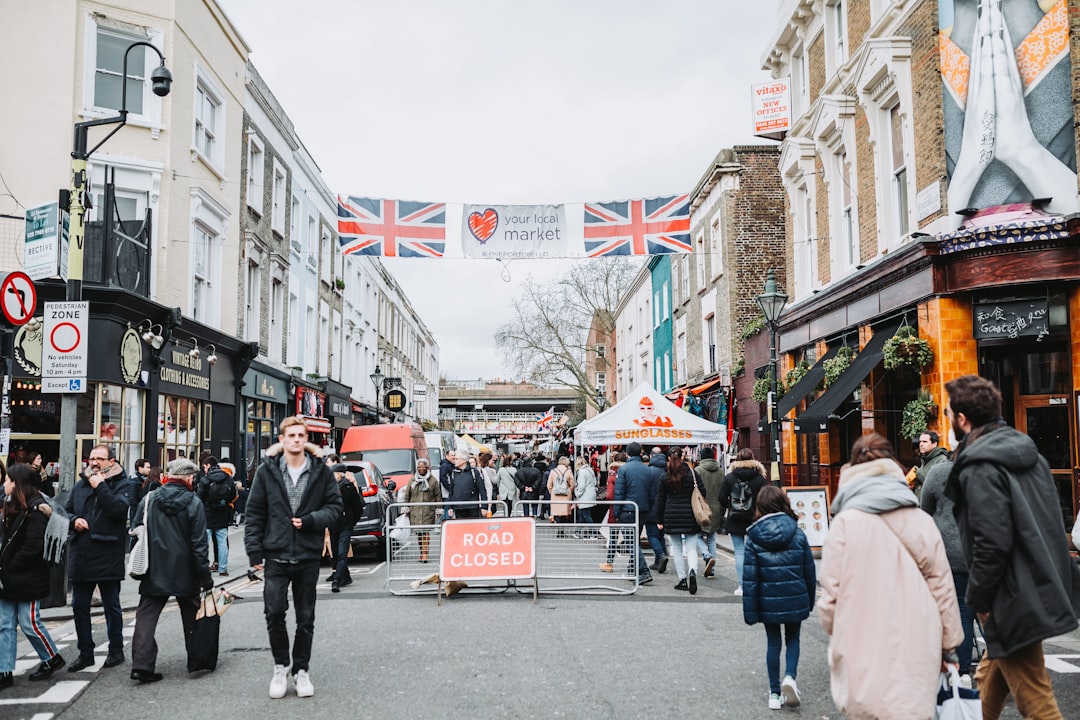
What, exactly? Some analysts point to April’s school holidays, which gave families a reason to shop. But that alone cannot explain the scale of the surge. Others note that the warm weather may have tempted shoppers out earlier than usual. The ONS said the proportion of people shopping in person increased, while online sales fell slightly.
Yet there is a darker interpretation. “This could be a last hurrah before a spending hangover,” warned Thomas Jenkins, a retail analyst at Capital Economics. “Households may be dipping into savings or using credit to fund purchases. If that is the case, the second half of the year could be ugly.”
Retailers themselves are wary. John Lewis reported a strong start to the quarter but cautioned that the economic outlook remains uncertain. Smaller shops on the high street are not celebrating yet. Many have not seen the same boost. “The big chains are doing fine, but independent stores are still struggling,” said Rachel Barnes of the British Independent Retailers Association. “The recovery is patchy.”
The ONS data also revealed regional disparities. Sales in London and the South East rose 7%, while the North and Midlands saw only 2% growth. That echoes a broader pattern of economic divergence between the capital and the rest of the country.
Shockingly, the government’s own figures show that real wages have fallen for two consecutive years. So where is the money coming from? Savings accumulated during the pandemic are now largely spent. Credit card borrowing, however, has been rising. The Bank of England reported last week that consumer credit grew at its fastest rate in over a year.
“We are seeing a debt-fuelled spending spree,” said Harding. “That is not sustainable. The Bank of England will be watching closely.”
The retail surge does not change the bigger picture. The UK economy is still growing slowly, if at all. GDP figures for the first quarter will be published next month. Analysts predict a meagre 0.2% expansion.
For now, though, retailers will take the good news. “April was a lifeline,” said one London department store manager, speaking on condition of anonymity. “But we are not foolish enough to think it is over. Customers are still nervous. They are looking for value, not luxury.”
The question is whether the April bounce is a genuine recovery or a false dawn. The May data, due in six weeks, will provide the answer. Until then, economists will argue, and shopkeepers will hope.