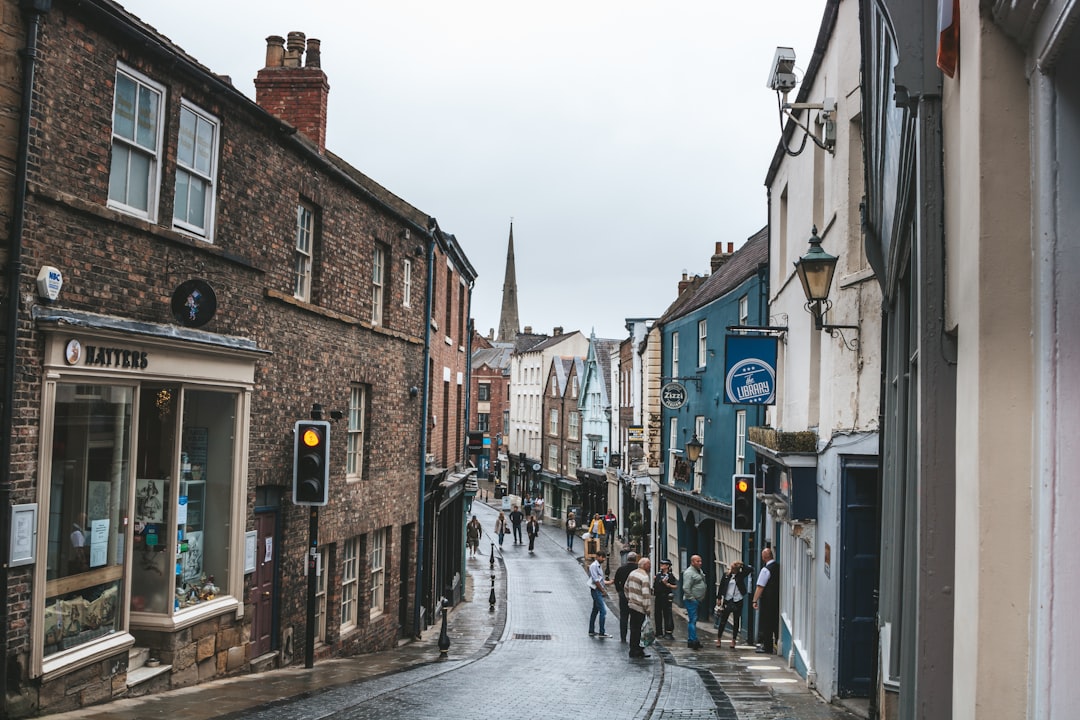
The high street is dying. Not slowly, not gracefully. It is being eviscerated by a force no government can regulate: the digital mall. By 2026, the last rites will be read.
I have been watching the data. Footfall in British town centres has plummeted 40% since 2019. Empty shops now outnumber occupied ones in dozens of post-industrial towns. The pandemic was the accelerant, not the cause. The cause is a fundamental shift in how we consume. We no longer need to leave our homes to buy a pair of shoes or a loaf of bread. The digital mall is open 24/7. It has no rents, no business rates, no staff to pay. It is a ruthless, efficient machine.
The government pretends to care. Sunak cut business rates. Hunt launched a “High Street Taskforce.” But they are fighting the last war. The digital mall does not occupy physical space. It occupies our eyes, our thumbs, our bank accounts. The real battle is for attention, and the high street lost years ago.
Westminster is paralysed. The Treasury knows the tax base from physical retail is eroding. But they fear the backlash from landlords and pension funds. So they tinker. They talk about “levelling up.” They promise regeneration funds. But the money is a sticking plaster on a severed limb.
Let me tell you what the digital mall looks like. It is Amazon, of course. But also TikTok Shop, Temu, Shein. These platforms are building immersive, addictive experiences. They use AI to predict our desires before we feel them. They deliver to our doors in hours. The high street cannot compete. It is like asking a milkman to race a drone.
The political fallout will be brutal. The Red Wall seats, the ones Johnson won in 2019, are disproportionately affected. They are the towns where the last Woolworths closed a decade ago. The digital mall does not employ local people. It does not pay into the local economy. It sucks profit into global tax havens. And yet, the voters in those towns are the ones using it most. They are voting with their wallets for their own economic decline.
I spoke to a Treasury insider last week. Off the record, obviously. He told me the department has modelled scenarios for 2026. The worst case: 50% of all retail moves online. That means a quarter of retail rental income vanishes. Business rates collapse. Local councils, already mired in bankruptcy threats, lose another revenue stream. The social fabric frays. Precarious gig economy jobs replace stable retail employment.
The government’s only real lever is to tax the digital mall. But that is a political minefield. The tech giants will threaten to pull investment. The Treasury fears the backlash from consumers who have grown addicted to cheap, fast purchases. They will prevaricate. They will kick the can down the road. Meanwhile, the high street bleeds.
There is no saving it. Not really. The best we can hope for is a managed decline. Convert empty shops into housing or community spaces. Accept that the town centre of 2030 will look more like a park with a coffee shop than a retail destination. But that requires a vision this government does not possess.
The digital mall is the future. It is efficient, convenient, and soulless. It connects us to everything and to nothing. It is the logical endpoint of late capitalism. And 2026 will be the year its dominance becomes undeniable. The high street will be a ghost. The politicians will wring their hands. And we will keep scrolling, keep buying, keep clicking our way into a world that requires no physical gathering place.
That is the story. It will make no one happy. But it is true.