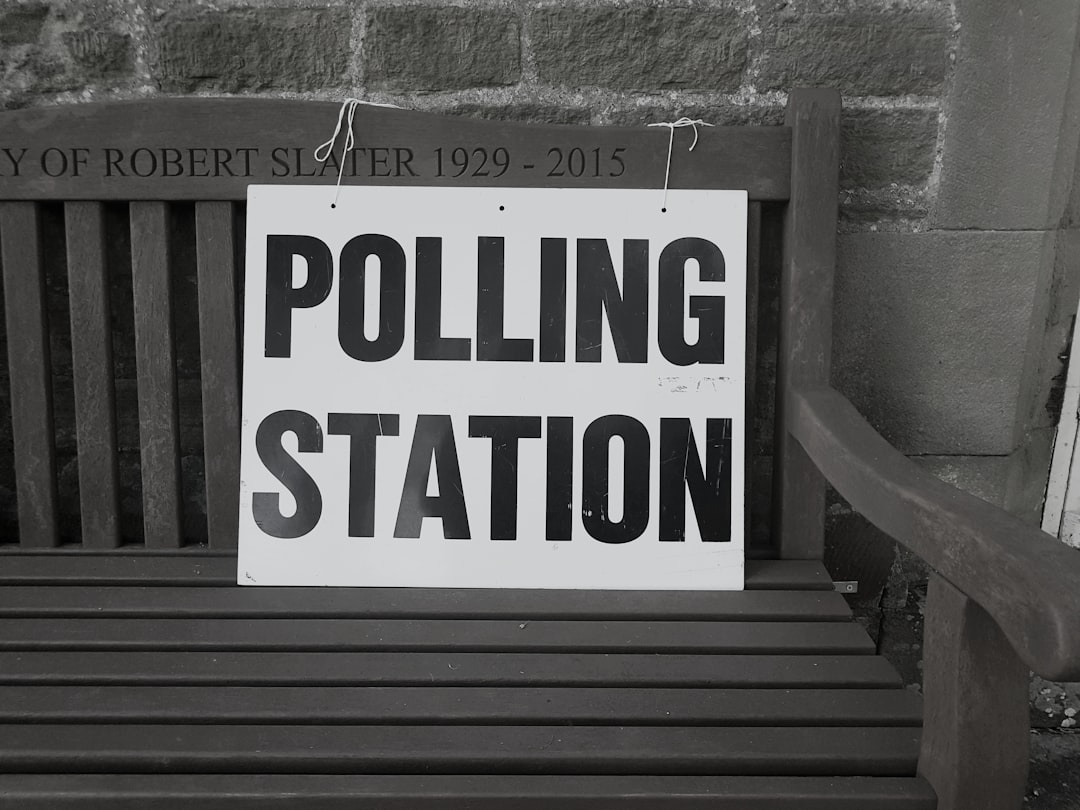
LONDON — The morning after the election, the FTSE 100 opened flat. No surge. No panic. Just a quiet exhale. Investors had priced in a Labour victory weeks ago. The real story is what happens now.
Sterling nudged up 0.3% against the dollar by midday. Bond yields held steady. The message from the City was clear: predictable is better than chaotic. One hedge fund manager told me, "We were braced for a hung parliament. Instead, we got a mandate. That’s worth billions in avoided volatility."
But beneath the surface calm, there are eddies. The new Chancellor's first speech promised fiscal responsibility but hinted at higher corporate taxes. The Institute of Directors issued a cautious welcome, noting that business hates uncertainty more than it hates tax rises.
At Canary Wharf, traders in glass towers watched screens showing the pound's gentle climb. They’ve seen this before: post-election rallies that fizzle when reality bites. Yet this time feels different. The opposition is in disarray. The majority is slim but workable. And the economic data, while fragile, isn’t screaming recession.
I spoke to a senior economist at a major bank. He said, "The market is pricing in two things: political stability and the slow grind of fiscal consolidation. No fireworks. That’s a good thing."
But not everyone is convinced. Small business owners in the Midlands I called yesterday are worried about employment costs. "It’s all very well for the City," one told me. "But if national insurance goes up again, I’ll have to let people go."
There’s also the spectre of Brexit. The deal is done, but trade friction persists. Exporters to the EU report continued paperwork headaches. The market has largely ignored this, but it’s a drag on growth.
Meanwhile, the Bank of England is watching. Governor Andrew Bailey has signalled that interest rates may stay higher for longer if the new government’s spending plans stoke inflation. The bond market is already testing him: five-year gilt yields inched up this week.
What the markets really want to see is the first Budget. That’s when the promises meet the numbers. If the Chancellor can convince the City he’s serious about debt reduction while protecting public services, the rally might have legs.
Until then, it’s a waiting game. The old trading floor adage holds: "Don’t fight the central bank, and don’t bet against a new government with a clear mandate."
Today, the bets are cautious. But in the pubs near Liverpool Street station, the mood is cautiously optimistic. One veteran broker summed it up: "We know this government. They’re dull. And dull is stable. We can work with stable."
The sun set over the Thames with the FTSE still flat. For now, that’s the kind of news the markets like best: no news at all.