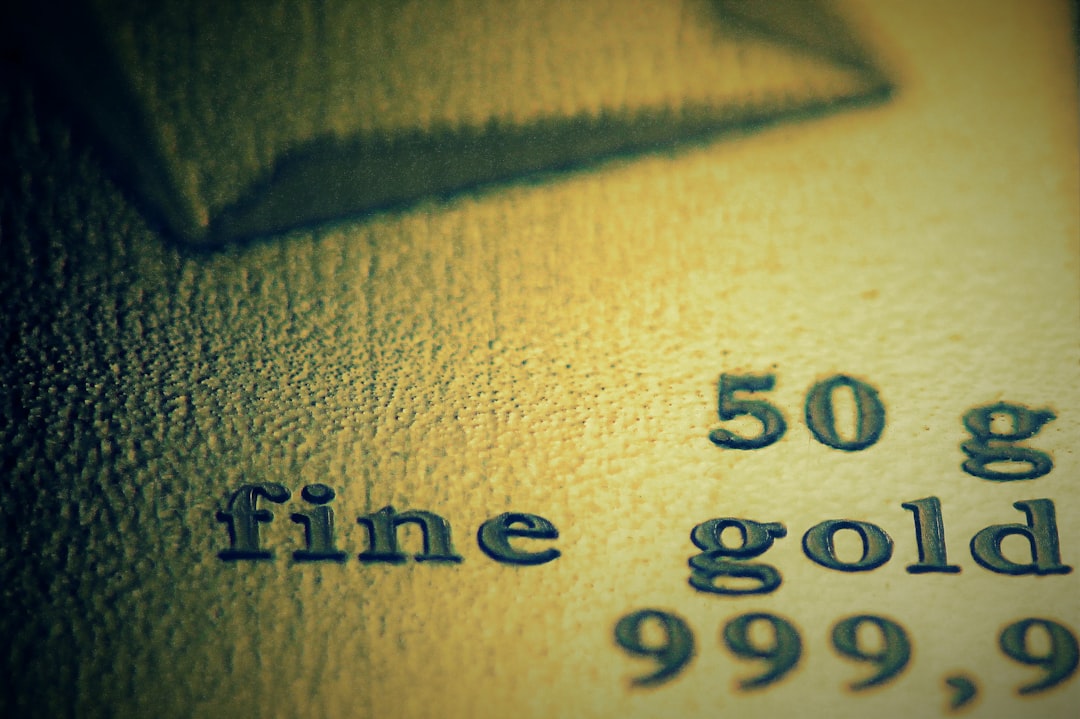
Gold has once again asserted its status as the ultimate safe-haven asset, surging to unprecedented levels as geopolitical tensions escalate across multiple fronts. The precious metal breached the $2,400 per ounce threshold for the first time in history, marking a staggering 15% year-to-date gain. This rally is underpinned by a confluence of factors: intensifying conflicts in Eastern Europe and the Middle East, persistent inflationary pressures, and a growing divergence between central bank policies and market expectations.
The current geopolitical landscape provides a stark backdrop for gold's ascent. The ongoing war in Ukraine shows no signs of de-escalation, with recent offensives raising fears of a broader conflagration. Meanwhile, the Israel-Hamas conflict has destabilized the Middle East, threatening global energy supplies and trade routes. These uncertainties have driven investors toward assets perceived as stores of value independent of government or financial system risk. Gold's historical performance during periods of crisis reinforces its appeal; it rose over 25% during the 2008 financial crisis and 10% in the aftermath of the 9/11 attacks.
Central bank demand has been a critical catalyst. According to the World Gold Council, central banks added 1,037 tonnes of gold to their reserves in 2023, just shy of the record set in 2022. This trend has accelerated in 2024, with China, Poland, and Singapore leading the charge. The motivation is clear: de-dollarization and a desire to diversify away from US Treasuries amid geopolitical tensions. China, in particular, has increased its gold holdings for 17 consecutive months, now totaling over 2,200 tonnes. This official sector demand provides a sturdy floor under gold prices, absorbing supply and signaling long-term confidence.
From a monetary policy perspective, gold is benefiting from a shift in interest rate expectations. The Federal Reserve's pivot to a more dovish stance, with three rate cuts projected for 2024, has weakened the US dollar and reduced the opportunity cost of holding non-yielding assets like gold. Real yields, the key driver of gold prices, have turned negative again, with the 10-year Treasury Inflation-Protected Securities (TIPS) yield dipping below 1.5%. Lower rates make gold more attractive relative to bonds and cash. Moreover, the European Central Bank and Bank of England are expected to follow suit, further supporting gold.
Inflation remains stubbornly above central bank targets in most developed economies. US CPI printed at 3.5% in March, core PCE at 2.8%, both well above the Fed's 2% goal. Gold, historically a hedge against inflation, benefits as purchasing power erodes. The correlation between gold and inflation expectations has strengthened, with the 5-year breakeven inflation rate rising to 2.6%. Investors are increasingly concerned that central banks may accept higher inflation for longer, a scenario that favors hard assets.
Technical factors also explain gold's momentum. The metal broke out of a prolonged consolidation range above $2,075 in March, triggering stop-losses and attracting momentum traders. Open interest in COMEX gold futures has surged to its highest since August 2020, while ETF inflows have turned positive after two years of outflows. The SPDR Gold Trust (GLD) saw its largest weekly inflow in 18 months. This renewed investor participation suggests the rally has legs.
However, risks remain. A sudden de-escalation of geopolitical conflicts could trigger a sharp pullback. Data from the CME shows that gold is overbought on a 14-day relative strength index (RSI) basis, hitting 78, indicating potential for a correction. Additionally, if the Fed delays rate cuts due to sticky inflation, real yields could rise, dampening gold's appeal. The US dollar index (DXY) has shown resilience, and a sustained dollar rally would be a headwind.
In conclusion, gold's ascent to all-time highs reflects a potent mix of geopolitical fear, central bank buying, and monetary policy expectations. While short-term overextension warrants caution, the structural drivers remain intact. For investors seeking a hedge against uncertainty, gold's luster is unlikely to fade soon. We maintain a constructive outlook, with a year-end target of $2,600 per ounce, contingent on continued geopolitical instability and a rate-cutting cycle. Allocate 5-10% of portfolios to gold as a strategic diversifier.