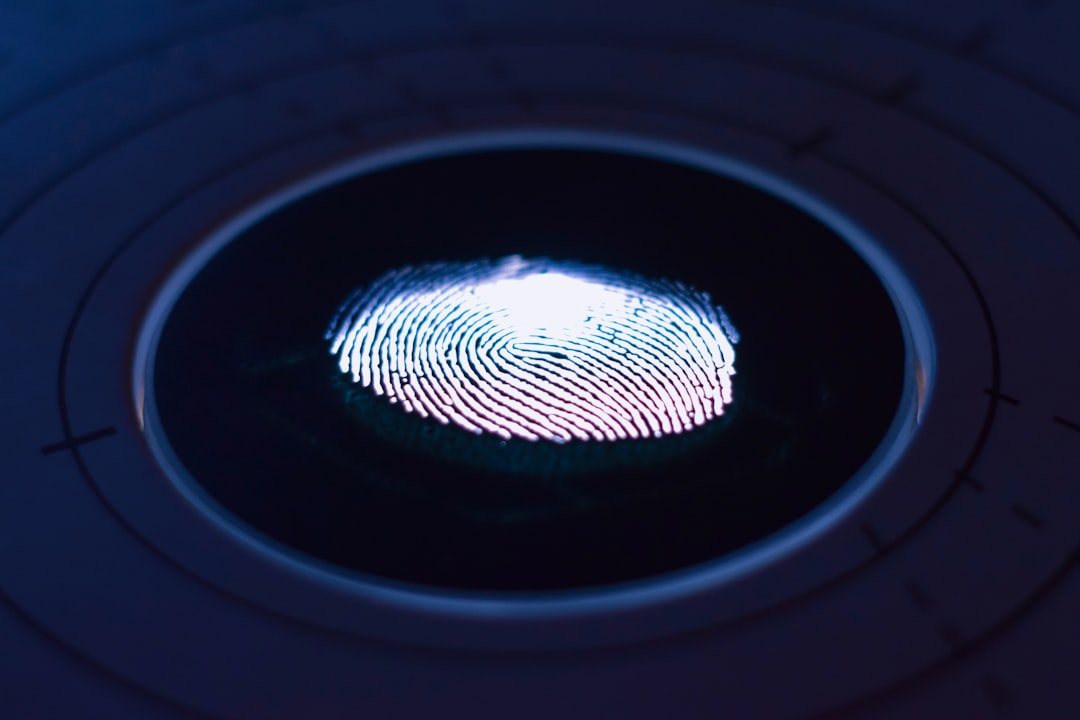
LONDON — The Home Office’s new digital identity framework, rolled out quietly last month, promises to streamline everything from border control to benefits claims. But beneath the glossy efficiency claims lies a structural shift that civil liberties groups are calling the most invasive surveillance expansion since the 2016 Investigatory Powers Act.
The new standards mandate biometric verification — fingerprints, facial scans, and iris recognition — for any state-issued digital ID. Ostensibly aimed at reducing fraud, the real concern is what happens to that data. The framework requires centralised storage of biometric templates in a government database accessible to multiple agencies, including police, immigration enforcement, and even private firms contracted for identity verification.
The problem starts with the lack of a specific, time-limited purpose. Once collected, biometric data can be retained for years, with no clear expungement mechanism. Silkie Carlo, director of Big Brother Watch, called it "a permanent digital tattoo" that citizens cannot remove. She noted that unlike passwords, biometrics cannot be reset if compromised. A data breach in such a centralised system would be catastrophic — every affected citizen would effectively lose control of their identity forever.
Further, the framework introduces "default consent" for secondary uses. Citizens who apply for a driving licence or passport will be automatically enrolled in the identity system unless they opt out — a process that requires a separate, non-obvious application. This nudge design, familiar from private sector data harvesting, shifts the burden onto the individual to protect their own privacy. For vulnerable groups — the elderly, non-native speakers, those without reliable internet access — this is a de facto compulsory enrolment.
Then there is the creeping expansion by secondary legislation. The 2023 Digital Identity and Trust Services Act passed with broad support, but the specific biometric mandates and data-sharing protocols were introduced via statutory instruments last August, receiving minimal parliamentary scrutiny. These secondary powers allow the Home Secretary to expand the definition of "identity check" to include new biometric markers or extend mandatory collection to private services like bank accounts or mobile phone contracts.
In practice, this could mean that a routine GP visit might soon trigger a biometric check. The Department for Health has floated plans to link digital IDs to NHS records, ostensibly to streamline prescriptions. But once the infrastructure exists, the logic of "efficiency" is a siren call. There is no legislative barrier to prevent the scheme from becoming a de facto internal passport system, required for everything from renting a flat to buying a bus ticket.
The Home Office insists on safeguards: strong encryption, independent oversight, and no access for commercial purposes without explicit consent. But the track record is thin. In 2021, a software error in the EU’s fingerprint database left thousands of travellers wrongly flagged as criminals. In 2023, the Metropolitan Police were found to have unlawfully retained biometric data of children for years. The assumption that this new system will be flawless defies evidence.
The economic arguments are equally shaky. The Hansard Budget briefing from March noted the system is expected to cost £4.7 billion over ten years, with a substantial portion diverted to private contractors — including companies with histories of data breaches. The projected savings from reduced fraud are based on optimistic assumptions that ignore the cost of inevitable litigation and public mistrust.
As the Home Office rolls out pilot schemes in five English councils, residents will receive letters asking them to "verify your identity online or face delays" on council tax and school applications. The implicit penalty for opting out is bureaucratic friction — longer queues, paper forms, extra appointments. For many, the path of least resistance will be to comply.
That is the structural silence at the heart of this policy. It does not ban dissent. It simply makes it exhausting. And once the biometric database is populated, there will be no revisiting whether citizens ever truly consented."
Alastair Vance, The British Wire