Barnaby Finch, Senior Journalist
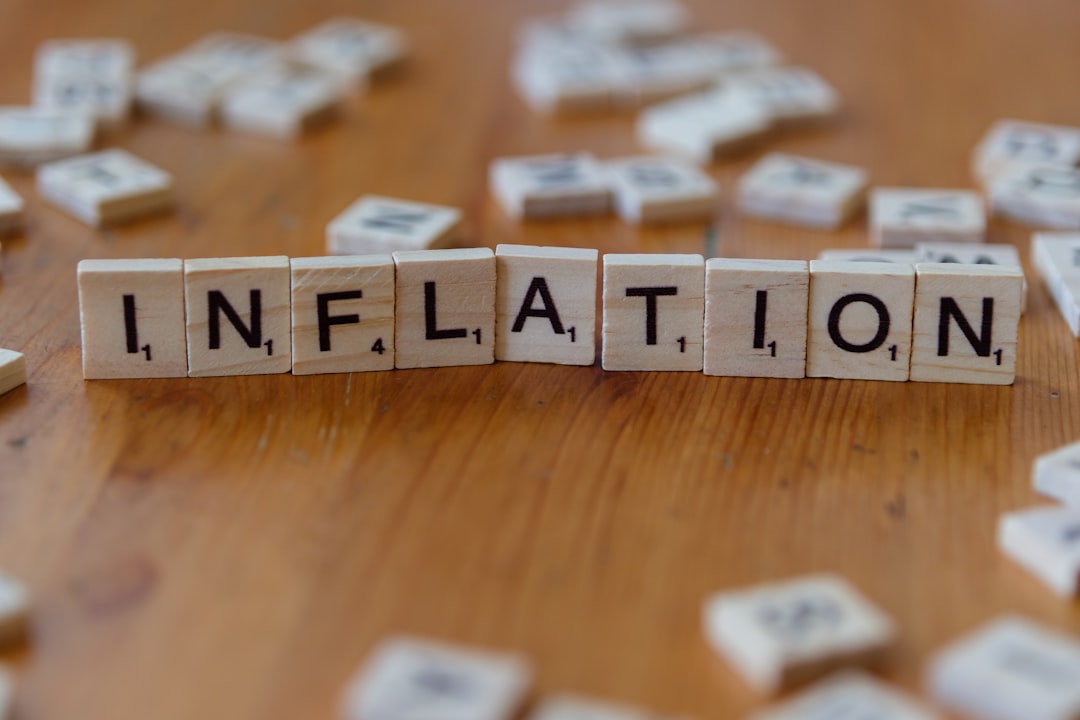
The spectre of inflation is back. Fresh data from the Office for National Statistics shows the UK’s Consumer Prices Index rose to 3.2% in August, driven largely by a 12% surge in oil prices. Brent crude hit $95 a barrel this week, its highest level since November 2022. For British households already battered by the cost-of-living crisis, this is troubling news.
“Oil is the lifeblood of the economy,” said Dr. Helena Grant, an economist at the London School of Economics. “When it gets expensive, everything from petrol to plastics becomes more costly. That directly hits consumer spending.”
The impact is already visible. Petrol prices at the pump have climbed to an average of 152p per litre, up 8p from a month ago. Energy bills, though capped by the government, are set to rise again in October. The Bank of England, which has raised interest rates 14 times since December 2021, now faces a dilemma: hike rates further to tame inflation, or hold steady to avoid choking off growth.
“The Bank is in a bind,” said Simon French, chief economist at Panmure Gordon. “If they raise rates again, they risk tipping the economy into recession. If they do nothing, inflation could become entrenched.”
The consumer, meanwhile, is feeling the squeeze. Retail sales fell 0.5% in July, worse than expected. Shoppers are cutting back on non-essentials. Jane Miller, a mother of two from Manchester, told me: “We’ve stopped eating out. I’m buying cheaper cuts of meat. Every penny counts.”
The government’s own fiscal headroom is shrinking. Chancellor Jeremy Hunt has repeatedly said he wants to cut taxes to boost growth. But rising debt interest payments, linked to inflation, have eaten into that possibility. The UK’s debt-to-GDP ratio is now over 100%.
Some analysts argue the oil price spike is temporary. OPEC+ production cuts and Russian supply disruptions are the main culprits. If demand weakens globally, prices could fall. But with the US Strategic Petroleum Reserve at its lowest in decades, there is little buffer.
“We’re in a dangerous zone,” said Grant. “If oil stays above $100 for any length of time, the UK could see inflation back above 5% by Christmas.” That would be a disaster for the Treasury, the Bank, and millions of families.
For now, the mood is grim. The British Retail Consortium reports that consumer confidence has fallen to its lowest since March. Households are saving less and borrowing more. Credit card debt is rising at its fastest rate since 2019.
The question is: how much more can consumers take? The answer may come this winter when heating bills peak. If oil prices remain elevated, the UK could face a new wave of financial hardship. The government has ruled out further direct support, insisting that the best way to help is to bring down inflation. But with oil prices rising, that goal looks increasingly distant.
As one Treasury insider put it: “We’re watching the oil markets very closely. The next few weeks are critical.”