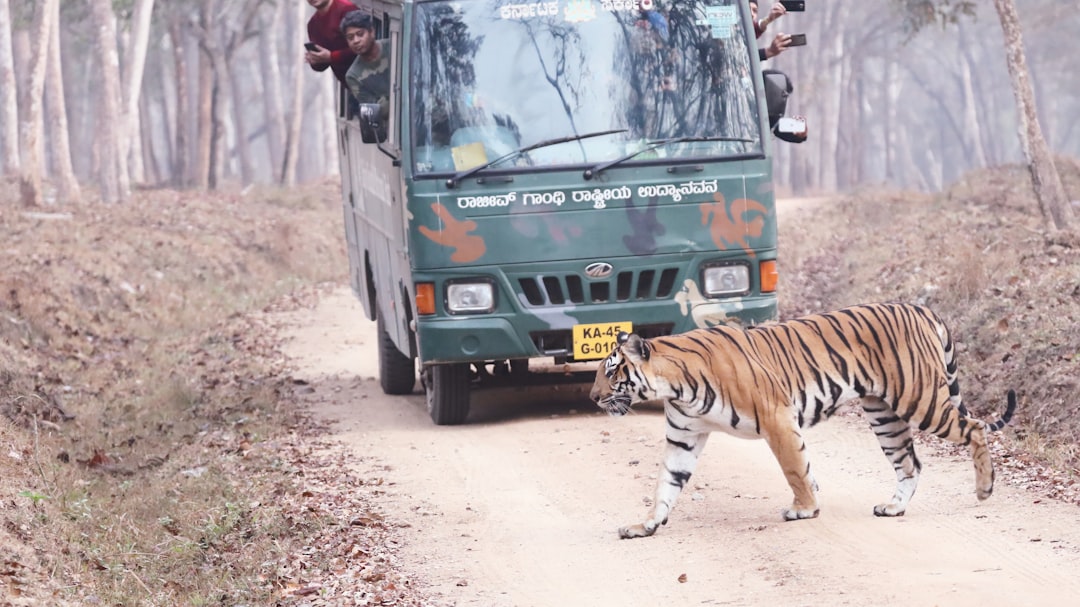
WASHINGTON D.C. – In a coordinated raid that has sent shockwaves through the criminal underworld, federal agents have seized a cache of narcotics and three live Bengal tigers from a warehouse in southeast Washington. The operation, led by the Drug Enforcement Administration (DEA) in conjunction with the U.S. Fish and Wildlife Service, marks one of the most unconventional drug busts in recent memory.
According to sources close to the investigation, the raid targeted a cartel linked to a notorious transnational syndicate. Inside the facility, agents discovered 500 kilograms of cocaine, 200 kilograms of heroin, and six tigers confined to cramped cages. Two of the big cats were suffering from malnutrition and infections, conditions that officials described as “inhumane.”
“This is not just a drug bust,” said DEA Special Agent Maria Torres. “The presence of endangered species points to a sophisticated operation that uses illegal wildlife trade as a front for narcotics distribution.”
Cartels have long exploited the exotic animal trade as a means to launder money and consolidate power. Tigers, in particular, are highly sought after. Their bones and organs are used in traditional medicines, while the cats themselves are sometimes kept as status symbols by wealthy cartel leaders.
Washington D.C. has emerged as a key hub in this illicit trade. The city’s proximity to major ports and its network of highways make it an ideal distribution point. Earlier this year, the DEA reported a 30% increase in wildlife trafficking linked to cartel activity within the district.
“We are seeing a dangerous convergence of narcotics and endangered species trafficking,” said wildlife inspector Leonard Croft of the Fish and Wildlife Service. “These animals are treated as commodities, no different from the drugs. Their suffering is collateral damage in a war that knows no bounds.”
The seized tigers have been transferred to the National Zoo for emergency care. Veterinarians there are working to stabilise the animals, though they caution that recovery could take months. One tiger, a female named Shanti, is believed to have been used for breeding purposes. “She was kept in the constant company of male tigers to produce cubs for sale,” Croft explained. “The conditions were appalling.”
While the DEA has not named the cartel publicly, sources indicate that the operation was part of a larger crackdown on the Sinaloa Cartel, which has expanded its operations into the Washington area. The cartel faces increasing pressure from federal authorities, but the branching out into wildlife crime demonstrates a disturbing adaptability.
“This is a classic cartel strategy: diversify and innovate,” said former DEA intelligence officer Jason Keller. “When you restrict their traditional routes, they find new avenues. Here, they were using a wildlife breeding operation as a cover for drug shipments.”
The raid has raised questions about oversight at the city’s ports and inspection checkpoints. How did a facility housing six tigers in plain sight remain under the radar? Investigators are now focusing on possible corruption among local officials.
“We are following the evidence where it leads,” Agent Torres stated. “No one is above scrutiny.”
As the investigation continues, the fate of the tigers remains uncertain. Wildlife advocates are urging the government to establish a rehabilitation centre specifically for trafficked animals. “These creatures deserve a second chance,” said animal rights activist Helen Price. “But we also need to shut down the criminal networks that profit from their suffering.”
The raid has dealt a blow to cartel operations, but the fight is far from over. With millions of dollars in cocaine and heroin off the streets and three tigers saved, agents are sending a clear message: this city will not be a safe haven for drug lords or animal traffickers.