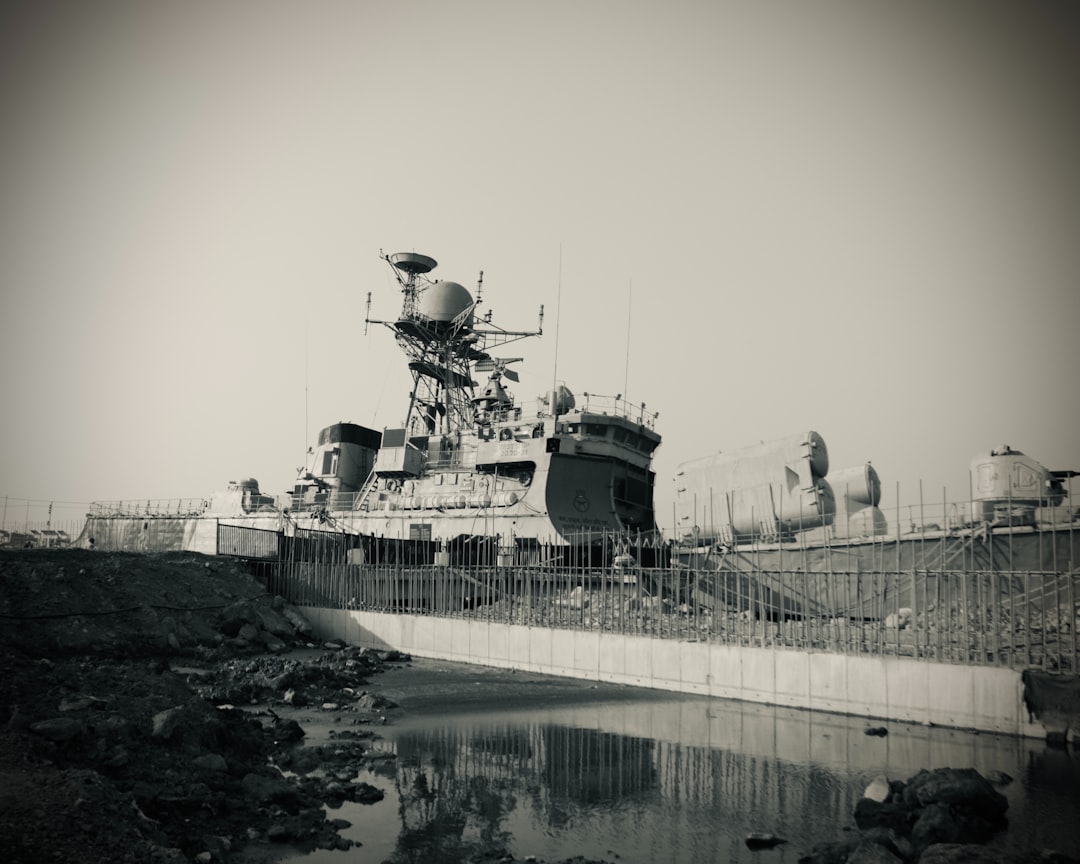
The Strait of Hormuz, a narrow 21-mile channel connecting the Persian Gulf to the Gulf of Oman, remains the world’s most critical energy chokepoint. Approximately 20% of global oil consumption passes through its waters daily, making any disruption a matter of international security. While Iranian threats to close the strait have surfaced periodically, the United States has consistently maintained that a blockade would be met with overwhelming force. This report examines the strategic, economic, and geopolitical dimensions of this enduring red line.
**Strategic Posture**
For decades, the US Fifth Fleet, based in Bahrain, has ensured freedom of navigation through the strait. In 2023, US Central Command reaffirmed its commitment to protecting maritime traffic, with Vice Admiral Brad Cooper stating that “any attempt to impede lawful passage will be countered decisively.” This is not mere rhetoric: US naval assets include carrier strike groups, nuclear submarines, and long-range bombers capable of projecting power. The 2019 seizure of tankers by Iran led to Operation Sentinel, a multinational maritime security initiative that now includes the UK, Australia, and other allies.
Dr. Emily Landau, senior research fellow at the Institute for National Security Studies, explains: “The US has three core objectives: deter Iranian harassment, reassure allies, and prevent any disruption to global oil flows. A blockade would be an act of war, and the US has made clear it will not hesitate to use force.”
**Economic Stakes**
The economics of the strait are stark. The US Energy Information Administration notes that daily transit volumes averaged 17 million barrels of oil and petroleum products in 2022. A prolonged closure could spike oil prices above $150 per barrel, triggering global recession. Asian economies, particularly Japan, South Korea, and India, are highly vulnerable, with over 70% of their crude imports transiting the strait. China, the world’s largest crude importer, would face severe disruptions, although its strategic petroleum reserves offer limited cushion.
Markets have priced in the risk. The oil futures curve shows a persistent geopolitical premium of $5-$10 per barrel. Simon Whitley, an analyst at Trafigura, notes: “Traders watch every Iranian speedboat. The threat is priced in, but a physical blockade would cause an unprecedented panic. The US would likely release strategic reserves immediately, but the damage would be rapid.”
**Iranian Calculus**
Tehran has long threatened to close the strait as leverage in nuclear negotiations or in response to sanctions. In 2023, Iranian naval commander Admiral Shahram Irani warned that “the strait is ours if we choose.” However, many analysts view this as bluff. Dr. Farzin Nadimi, a scholar at the Washington Institute, argues: “Iran knows a blockade would invite catastrophic retaliation. Their strategy is asymmetric harassment: boarding ships, laying mines, and using drones. A full closure is unlikely unless the regime feels existential pressure.”
Iran’s own economy would suffer immensely. It relies on the strait for oil exports that generate 40% of government revenue. A blockade would cut off its primary income stream, crippling an already sanctions-battered economy. Thus, the threat remains a bargaining chip rather than a plausible policy.
**Alternative Routes and Military Options**
In response to potential disruption, the US has explored alternatives. The Saudi Arabia–East–West pipeline, with a capacity of 5 million barrels per day, offers a bypass from the Persian Gulf to the Red Sea. The UAE’s Habshan–Fujairah pipeline provides an additional 1.5 million bpd. However, these routes cannot replace the strait’s throughput. Militarily, the US has practiced mine countermeasures and has the ability to quickly neutralize Iranian coastal defense systems. The 1988 Operation Praying Mantis, which crippled Iranian naval assets in retaliation for mining, serves as a precedent.
**Geopolitical Ramifications**
Allied nations are deeply invested. The UK’s Royal Navy deploys patrol vessels to the region, and the EU’s military operation AGENOR has also contributed to deterrence. A blockade would likely trigger a naval confrontation similar to the 1987-1988 Tanker War, but on a larger scale. The US would need to secure international backing, but its allies in the Gulf Cooperation Council (GCC) would likely support military action, given their own dependence on the strait.
Russia and China would oppose any US military response, though their practical engagement may be limited. Russia has deepened ties with Iran, but it also relies on stable oil markets. China would call for de-escalation while quietly urging Tehran to avoid provocation.
**Conclusion**
The Strait of Hormuz remains the ultimate red line for the United States. While a full blockade remains improbable due to mutual economic and military disincentives, the risk of miscalculation is ever present. Markets remain vigilant, governments hedge with strategic reserves, and naval forces continue to patrol. The impasse persists, but the cost of crossing the line ensures that, for now, the strait stays open.