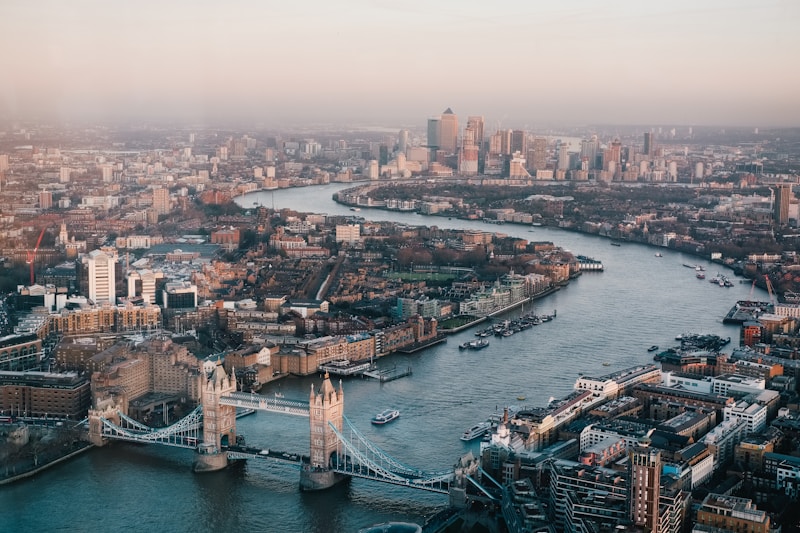
The City of London, a global financial hub, is bracing for a seismic political shift as polling day approaches. With opinion polls suggesting a change of government is imminent, bankers, traders, and policymakers are recalibrating their expectations. The Conservative Party, in power for 14 years, faces a likely defeat, with Labour under Sir Keir Starmer leading steadily. This has spurred a flurry of activity within the Square Mile, often criticised as a bastion of conservatism, to adapt to a potentially hostile administration.
For months, the financial sector has watched closely as Labour’s policy platform took shape. Shadow Chancellor Rachel Reeves has sought to reassure business leaders, promising fiscal discipline and stability. Yet, her plans to reform planning laws, introduce a green investment programme, and raise corporation tax to 25 per cent have sparked debate. John Gummer, a senior economist at Canary Wharf Group, said: “There is nervousness. Higher taxes and more regulation are not what the City wants. But we are pragmatic; we will work with whoever is in power.”
A key concern is Labour’s promise to overhaul the non-domiciled tax status, a policy that could see wealthy foreign residents leave. Mark Carney, former Governor of the Bank of England, warned recently that such changes must be carefully managed to avoid capital flight. The City employs over 500,000 people and contributes nearly 12 per cent of UK tax revenues. Any disruption could have national implications.
Not all are pessimistic. Labour has courted the financial sector with pledges to maintain the UK’s regulatory independence post-Brexit. Starmer’s pro-business image, honed in recent months, has won some converts. “A Labour win might bring uncertainty, but also opportunity,” noted Sarah Thompson, a fund manager at Jupiter Asset Management. “We need political stability more than anything after years of turmoil.” The shadow of Brexit still looms large; many firms moved operations to the EU. A new government must prove the UK remains a competitive destination.
The financial district operates on a different clock, one that ticks to markets and interest rates. The Bank of England’s monetary policy, set independently, is a anchor. But tax and regulatory changes are immediate. City law firms are already drafting contingency plans. “We are advising clients on possible scenarios,” said Philippe Sands, a partner at Linklaters. “A sudden rise in capital gains tax could trigger a sell-off in equities.”
Amid the jockeying, some voices call for calm. “Politicians come and go, but the City endures,” remarked a veteran trader at Lloyd’s of London. “We have survived wars, crashes, and referendums.” Yet, this election feels different. It coincides with global headwinds: inflation, geopolitical tensions, and the rise of digital currencies. The new government will need to navigate these while maintaining the confidence of investors.
The Square Mile is not monolithic. Smaller firms, such as fintech startups, often favour Labour’s digital agenda and green focus. “We welcome a shift towards sustainable finance,” said Ravi Patel, CEO of Revolut’s UK arm. “The City must evolve.” The outcome of the election will determine the speed and direction of that evolution. For now, the mood is one of cautious anticipation, a financial district holding its breath.
As the final hours of campaigning dwindle, the City of London watches with a mixture of anxiety and resolve. The political shift may be coming but, as history shows, the financial district is adept at reinvention. The question is not whether the City will adapt, but how quickly and at what cost. The answer will unfold in the days and weeks after the votes are counted, as the new government’s first budget and legislative programme take shape. The City is on edge, but not paralysed.